Basements in London often battle water the way driveways battle snow. The Thames River watershed, heavy clay soils, and wild swing seasons put steady pressure on concrete. Spring thaws push groundwater up, summer storms drop inches of rain in an hour, and winter freeze cycles pry at hairline cracks until they widen. If you own a home here long enough, you will likely face some version of a wet basement. How you respond matters more than the first drip or damp patch. The most expensive calls I take are not the homes with the worst water, they are the homes that chased the wrong fix for two or three seasons.
This guide focuses on the mistakes I see Additional resources repeatedly in and around London, Ontario. I will explain why they backfire, when a method does make sense, and how to tell the difference. Whether you plan to hire a pro or tackle small maintenance yourself, the goal is the same: keep water outside, keep humidity down, and avoid turning a nuisance into a structural or health problem.
What makes London basements vulnerable
The soil under much of the city is a dense clay till that drains slowly. Clay swells when wet and shrinks when dry, shifting laterally against foundation walls. That expansion can drive water toward any weakness: cold joints, form tie holes, previous patch points, or the base of the wall where footing meets wall. Older homes may have original clay weeping tile that has collapsed or silted in. Newer homes have plastic weepers, but a silted sock or improper discharge can still cripple them.
Rainfall patterns add to the stress. A single late summer thunderstorm can deliver 25 to 50 millimetres of rain in under an hour. Spring often brings saturated lawns and full eavestroughs. In low-lying pockets near the river or older neighborhoods with mature trees and settled grading, water sits longer. Put it together and you have consistent hydrostatic pressure on the outside of your foundation for weeks at a time.
Understanding that environment helps you avoid the first mistake: treating the symptom you see rather than the pressure you do not.
Mistake 1: Chasing surface moisture while ignoring source water
Many homeowners start with interior fixes, because that is where the problem appears. They run a dehumidifier, paint over white efflorescence, or add a new laminate floor. That can tame a musty smell for a season. It does not reduce outside water. Worse, a fresh floor can trap moisture under it and feed mould. If your baseboards swell, carpet edges darken, or you smell earth after rain, the issue is not just humidity, it is water entry or vapor drive through the wall.
In London, a wet patch on one wall corner often ties back to grading or downspouts two or three metres away. Stand outside during a rain event. If water sheets over the eaves, pours behind the downspout, or lands within a metre of the foundation, you have a source. Fix that before you spend hundreds on interior finishes or coatings.
Mistake 2: Trusting waterproof paints as a cure
Cementitious coatings and waterproof paints have a place. They can reduce vapor transmission through sound concrete and tidy up a utility room. They do not stop liquid water under pressure. On block walls, they may hold briefly, then blister as block cores fill. On poured concrete, they mask the trail but do not relieve the pressure.
I saw this on a North London bungalow where a family had painted the cold storage room twice. The wall looked clean for a year, then flaked. When we opened the outside, the original weeper was packed with silt and a downspout dumped into the garden bed above the cold room. The fix that lasted: redirect downspouts, regrade with clay cap, exterior membrane and new weeping tile to a sump. The paint was a bandage on a pressurized leak.
Mistake 3: Assuming interior drainage is always cheaper and better
Interior French drains, sometimes called perimeter drains or baseboard systems, can be the right choice in specific conditions. If exterior access is blocked by a shared driveway, an addition, or a neighbour’s newly poured patio, cutting the slab inside and tying a drain to the sump makes sense. It handles liquid water that rises at the cold joint. It also avoids disturbing mature landscaping.
However, interior systems do not protect the foundation from exterior freeze and thaw, nor do they stop saturation of the wall itself. If you have block walls, the cores can remain wet, and mortar joints will suffer. On poured walls with moderate cracking, interior drains can work, but the crack is still taking on water. If you plan to finish a basement to the nines, keeping the wall dry from the outside buys you longevity and reduces mould risk. For homes in London with accessible perimeters, exterior excavation with waterproofing membrane and new weepers still ranks as the gold standard.
Mistake 4: Excavating without planning for safety, utilities, and backfill quality
DIY excavation looks tempting in a video. In reality, narrow side yards, gas lines, and utility locates make it risky. I have watched a homeowner nick a gas service with a shovel. Even small jobs require Ontario One Call utility locates, proper shoring where needed, and a plan to move and replace soil without mixing topsoil into the trench. Clay backfill reintroduced loosely will settle for seasons and can channel water toward the wall.
If you dig, either hire a qualified crew or insist on the details: scrape away topsoil and stockpile it, remove old weepers fully, use clear stone around the new pipe with a filter fabric to prevent silt, and cap with at least 20 to 30 centimetres of clay for shedding water before topping with topsoil. A clean foundation wall, parged where needed, with a self-adhered membrane or liquid-applied barrier and dimple board gives you a second line of defence.
Mistake 5: Undersizing or neglecting eavestroughs and downspouts
This one sounds basic, yet it solves a surprising share of wet basement calls in London, Ontario. Many older homes still have 4 inch troughs and 2 by 3 downspouts. With current rain intensities, those overflow. Upgrade to 5 or 6 inch troughs with 3 by 3 or 3 by 4 downspouts, add leaf protection that actually sheds debris instead of clogging, and check slope with a level after installation. Extensions should discharge at least 2 metres from the foundation onto a splash pad or to grade that falls away. Hiding a downspout into a planter box looks tidy and makes basements wet.
If your roof valleys drive high volumes into one corner, consider a secondary outlet or valley diverter. I have reduced basement water overnight by moving a single downspout away from a sidewalk trench that funneled water against the wall.
Mistake 6: Forgetting that grading is a system
Homeowners often add soil around the foundation in one spot but ignore a walkway or deck that sits lower and traps water. London’s freeze cycles cause differential settlement. A grading fix is not a bag of soil against the wall. It is a continuous slope of at least 2 to 3 percent for the first two metres. Concrete walks may need to be lifted with polyurethane foam or replaced. A negative slope under a rear deck can defeat every other measure.
One family near Masonville regraded the entire back yard, then wondered why the basement still leaked under the dining room. A concrete patio along the side yard held water like a tray and ran it straight to the back corner. We cut a channel and added a trench drain to move water to the front. The next storm, the basement stayed dry.
Mistake 7: Treating sump pumps as appliances you can forget
A sump pump is closer to a furnace than a toaster. It needs checks, cleaning, and a backup plan. London’s power blips during storms can be brief or last hours. A wet basement in London, Ontario after a summer blackout almost always shares a culprit: no battery backup, a seized float, or a check valve stuck open.
Keep a tight, sealed lid to cut humidity and radon, secure the float so it cannot catch on the liner, and test monthly. If your sump runs often, step up to a 1/2 horsepower cast iron pump with a high head rating. Add a second pump a few inches higher as backup on a separate circuit. A battery backup can run 6 to 24 hours depending on capacity and inflow. Water powered backups exist, but water pressure in London may not keep up during peak demand, and the water bill sting is real. Choose based on the frequency and volume you see in spring and storm season.
Mistake 8: Ignoring small cracks and mortar joint decay
A hairline crack in poured concrete that dries between rains might seem harmless. In clay soils, it tends to widen in freeze season and when the wall is under renewed pressure. Cold pours between foundation sections, around window wells, and where deck posts were added later deserve attention. Interior injection with polyurethane can stop active leaks and is useful where excavation is impractical. Epoxy injection bonds structural cracks, but both demand clean, dry conditions at the ports to work well.
On block walls, stair-step cracks often point to settlement or lateral movement. Efflorescence at mortar joints is not just cosmetic. It means moisture is migrating. For block, exterior waterproofing and, in some cases, interior core drilling with weep holes and a perimeter drain become the right call. If bulging exceeds a few millimetres over a few metres, bring in a structural specialist before any finishing work.
Mistake 9: Leaving window wells and wells drains as afterthoughts
Window wells often sit below grade with no drain, filled with mulch or river rock over soil. That becomes a bowl. Heavy storms fill the well, water rises against the window, and it finds the path through the frame or the seam at the sill. Every well should have a drain tied wet basement london ontario to the weeping tile or at least a drywell with clear stone below. The well itself must be sized correctly so soil is not piled against the sash. Clear poly covers can help if installed with ventilation to avoid trapping humidity against wood frames.
Mistake 10: Skipping ventilation and vapor control in finished spaces
Even with a dry foundation, basements here need moisture management. A sub-slab vapour barrier, sealed rim joists, and proper insulation go a long way. Fiberglass batts against bare concrete invite trouble. Use rigid foam against the wall, then frame and insulate. If your home predates modern code, a radon test is cheap insurance. Several London pockets test elevated. A sealed sump lid with a grommeted discharge and a provision for mitigation later, even if not active today, saves tearing into finishes.
Bathrooms and laundry areas downstairs should vent outside, not into a joist cavity. A heat recovery ventilator can help keep humidity predictable in summer when the air outside carries moisture.
Mistake 11: Hiring by the headline number or lifetime promise alone
Basement waterproofing in London, Ontario ranges widely in cost. A single crack injection might run a few hundred dollars. An interior perimeter drain in a typical 800 to 1,200 square foot basement can land in the 4,000 to 10,000 dollar range depending on obstructions and pump work. Full exterior excavation with membrane and new weeping tile around a detached home often sits in the 12,000 to 25,000 dollar band, more if access is tight or depth exceeds 8 feet.
A lifetime warranty sounds comforting. Read what it covers. Many cover the section repaired, not the whole wall, or only transfer once. Ask how the company handles a blocked discharge line in February, who pays for concrete cutting dust control, and what happens if you have a high water table that needs dual pumps. The cheapest quote can be expensive if it leaves a discharge line running uphill under a deck where it will freeze.
Mistake 12: Believing insurance will fix foundation water
Most home insurance policies in Ontario exclude seepage through walls and floors. Overland water coverage and sewer backup endorsements help with specific events, like river flooding or city sewer surcharges that push water back through your floor drain. They do not pay for chronic wetting through cracks or a failed weeper. Treat coverage as a bandage for a rare event, not a strategy for everyday water management.
Mistake 13: Finishing the basement too soon after a fix
After a repair, give the space time to prove itself. Concrete and soil both need to settle back to a steady state. If you have installed exterior drains or regrading, watch two or three heavy rains before adding drywall. Use a moisture meter on studs and slab. If humidity runs high in summer, keep a dehumidifier at 45 to 50 percent. A dozen times over the years I have opened a basement finished days after a repair to find trapped dampness. Patience costs less than doing trim and flooring twice.
How London’s seasons affect scheduling and method
Exterior work can proceed spring through fall, but clay backfill hates heavy autumn rains. If you can schedule exterior excavation in late spring or early summer, you lower the odds of a mucky trench and settlement later. Winter interior work runs smoother for concrete cutting and injections, as slabs are cooler and dust control is easier with windows sealed, but keep ventilation in mind. Sump discharge lines that run outside must slope and be insulated or heat traced if they carry water in freezing weather. A buried discharge to a soakaway pit needs enough separation from the foundation, usually 3 to 5 metres, and a plan for freezing.
Contractors book up after the first big storm of the year. If your basement shows signs in March, do not wait for June. The best time to fix water is before a finish project or before real estate listing season, when demand spikes.
A few real cases from the field
South London, 1960s side split, block walls. Recurrent damp ring along the base of the rec room wall, musty after storms. Previous owner added two coats of white waterproof paint and ran a dehumidifier. Outside, the driveway pitched toward the house by roughly 3 centimetres across a metre. No sump, original clay weepers. We installed an interior drain with weep holes in the first course, tied to a new sump with battery backup. Also lifted the driveway slab to establish positive slope and added downspout extensions. Result: dry base course and no musty smell within a week. Why not exterior? A neighbour’s garage sat 60 centimetres off the wall, no room to excavate safely.
Northwest London, 2000s two storey, poured concrete. Wet patch at one corner in spring only. The owner assumed groundwater. A 6 inch trough fed two roof planes into a single 2 by 3 downspout. In a 20 minute storm, the downspout became a firehose pointed at the foundation bed. We upsized to a 3 by 4, split the roof planes, and extended discharge 3 metres to a swale. No excavation, no pumps, just hydrology. The cost was a fraction of a drain system.
Wortley Village, 1920s bungalow, stone and block mix. Morning after the first hard freeze, a horizontal crack telegraphed across the block. Inside, chalky deposits at mortar joints and a cold, damp feel. Soil outside sat high against wood siding. We excavated, parged and reinforced the block, applied bentonite-enhanced membrane and dimple board, replaced weepers to a new sump, and rebuilt grading with a clay cap. The owner waited a month before insulating inside with rigid foam and new framing. Ten years on, still dry.
Choosing between interior and exterior in practice
If you have block walls with accessible yard space and a budget that allows it, exterior waterproofing paired with new weeping tile remains the longest view. It reduces saturation of the wall, insulates it somewhat with dimple board, and often improves energy performance by keeping the wall drier. If tree roots, narrow setbacks, or structures limit excavation, a well designed interior system protects the living space, especially when paired with targeted crack injection and reliable pumping.
For poured walls with a single crack, injection is elegant and cost effective. For widespread seepage along the base, an interior channel with weeps into the block or a full exterior solution may be better. The soil, access, and your plans for finishing should drive the choice more than a one size pitch.
The role of foundation repair in structural issues
Not every wet basement is structural, but some are. If you see diagonal cracks that grow season to season, doors sticking upstairs, or bowing walls, speak with a foundation repair specialist in London, Ontario who can evaluate lateral load and settlement. Options range from carbon fibre reinforcement to push piers. Mixing structural work with waterproofing can save rework. For example, stabilizing a bowing wall before adding a membrane avoids tearing off fresh waterproofing later.
Maintenance that prevents backsliding
A dry basement today can become damp again if small maintenance tasks slide. A light, regular routine keeps gains in place. Use the following as a short seasonal reminder.
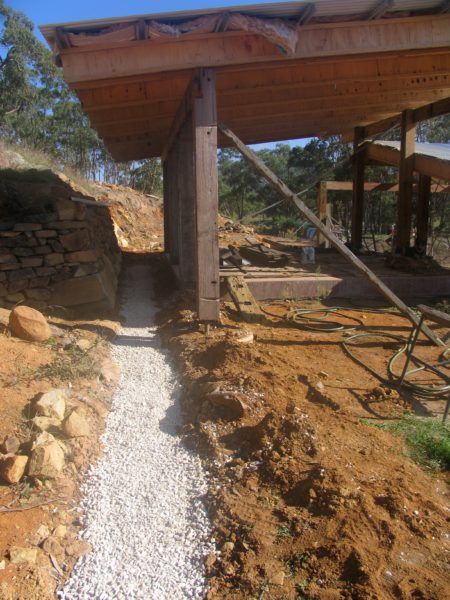
- Clean eavestroughs and check for proper slope each spring and fall, then confirm downspout extensions remain attached and intact. Inspect grading after big rains and after freeze season, adding soil where minor settling creates birdbaths near the wall. Test your sump by lifting the float and listening for a smooth start and stop, then flush the pit to clear silt and confirm the check valve snaps shut. Walk the inside perimeter twice a year, looking for new efflorescence, damp carpet edges, or a musty smell that lingers after the dehumidifier cycles. Keep the dehumidifier set around 45 to 50 percent in summer, cleaning filters so it does not just move warm, moist air around.
Questions to ask before you sign a waterproofing contract
Protect yourself with a few direct questions. Solid companies will answer them without flinching.
- Where will the water go after you collect it, and how will you prevent freezing at the discharge? What exactly is covered by the warranty, for how long, and does it transfer to the next owner? How will you control dust and protect finishes during interior work, or protect landscaping and utilities during exterior excavation? What pump, liner, and check valve brands are you installing, and what is the plan if power fails? Who handles permits, inspections if required, and Ontario One Call locates before digging?
When to bring in a pro, and when DIY is enough
You can handle several pieces yourself if you are handy and careful. Downspout upgrades and extensions, minor regrading with a clay cap, dehumidifier management, sealing a sump lid, and monitoring for early signs take basic tools and time. Crack injection sits in a grey area. Kits exist and work in some straight, clean cracks. If a crack runs irregularly, harbours old paint, or weeps consistently, professional injection increases your odds.
Interior French drains and exterior waterproofing turn into production jobs quickly. Concrete cutting and hauling, trench safety, tie-ins to existing drains, and code matters around electrical circuits for pumps benefit from experienced crews and the right equipment. A contractor with local references in London is worth more than a national logo.
The bottom line for London homeowners
A dry basement in this city is not an accident. It is a chain of small right choices that reduce the pressure on your foundation, move water away with intent, and give liquid water a safe path out when it does arrive. The biggest mistakes with basement waterproofing in London, Ontario come from treating a symptom rather than the system, trusting a can of paint over physics, and skipping maintenance once the immediate crisis passes.
If you approach the problem by asking where the water is coming from, where it wants to go, and how to keep it from building pressure against your walls, you will make better decisions. With the right mix of exterior management, interior safeguards, and a realistic view of our climate and soils, you can finish a space with confidence and stop thinking about the weather every time you head downstairs. Whether you need a crack injection, a new sump, or a full foundation repair in London, Ontario, the path to dry starts with avoiding the shortcuts that so often lead to the next call for help.
Ashworth Drainage — Business Info (NAP)
Name: Ashworth DrainageAddress: 514 Hale St, London, ON N5W 1G8
Phone: (519) 660-9375
Website: https://www.ashworthdrainage.ca/
Email: [email protected]
Hours:
Monday: 9:00 AM – 5:00 PM
Tuesday: 9:00 AM – 5:00 PM
Wednesday: 9:00 AM – 5:00 PM
Thursday: 9:00 AM – 5:00 PM
Friday: 9:00 AM – 5:00 PM
Saturday: Closed
Sunday: Closed
Open-location code (Plus Code): XRR3+HV London, Ontario
Map/listing URL: https://maps.app.goo.gl/9kaoXAxRtJRP1ThS9
Embed iframe:
Socials (canonical https URLs):
Facebook: https://www.facebook.com/ashworthdrainage/
X: https://twitter.com/ashworthrules
Instagram: https://www.instagram.com/ashworthdrainage/
https://www.ashworthdrainage.ca/
Ashworth Drainage provides basement waterproofing and foundation repair services in London, Ontario and surrounding areas in Southwestern Ontario.
The company helps homeowners address wet basements, water intrusion, and drainage issues with solutions that fit the property’s conditions.
Service requests can include foundation repair, waterproofing options, sump pump and drainage-related work, and related assessments.
Ashworth Drainage is based at 514 Hale St, London, ON N5W 1G8.
To reach the team, call (519) 660-9375 or email [email protected].
Business hours are Monday to Friday 9:00 AM–5:00 PM, with the office closed Saturday and Sunday.
For directions and listing details, use the map listing: https://maps.app.goo.gl/9kaoXAxRtJRP1ThS9.
Popular Questions About Ashworth Drainage
What does basement waterproofing help prevent?Basement waterproofing is intended to reduce water intrusion and moisture problems that can lead to dampness, leaks, odors, and damage over time.
How do I know if I may need foundation repair?
Common signs can include visible cracks, water seepage, shifting or uneven areas, or recurring moisture problems; an on-site assessment is usually the best way to confirm causes and options.
What areas does Ashworth Drainage serve?
Ashworth Drainage serves London, Ontario and surrounding areas in Southwestern Ontario.
What are Ashworth Drainage’s hours?
Monday–Friday 9:00 AM–5:00 PM; Saturday closed; Sunday closed.
How can I contact Ashworth Drainage?
Phone: +1-519-660-9375
Email: [email protected]
Website: https://www.ashworthdrainage.ca/
Map: https://maps.app.goo.gl/9kaoXAxRtJRP1ThS9
Facebook: https://www.facebook.com/ashworthdrainage/
X: https://twitter.com/ashworthrules
Instagram: https://www.instagram.com/ashworthdrainage/
Landmarks Near London, ON
1) Kiwanis Park2) Western Fair District
3) Covent Garden Market
4) Victoria Park
5) Budweiser Gardens
6) Museum London
7) Fanshawe Conservation Area